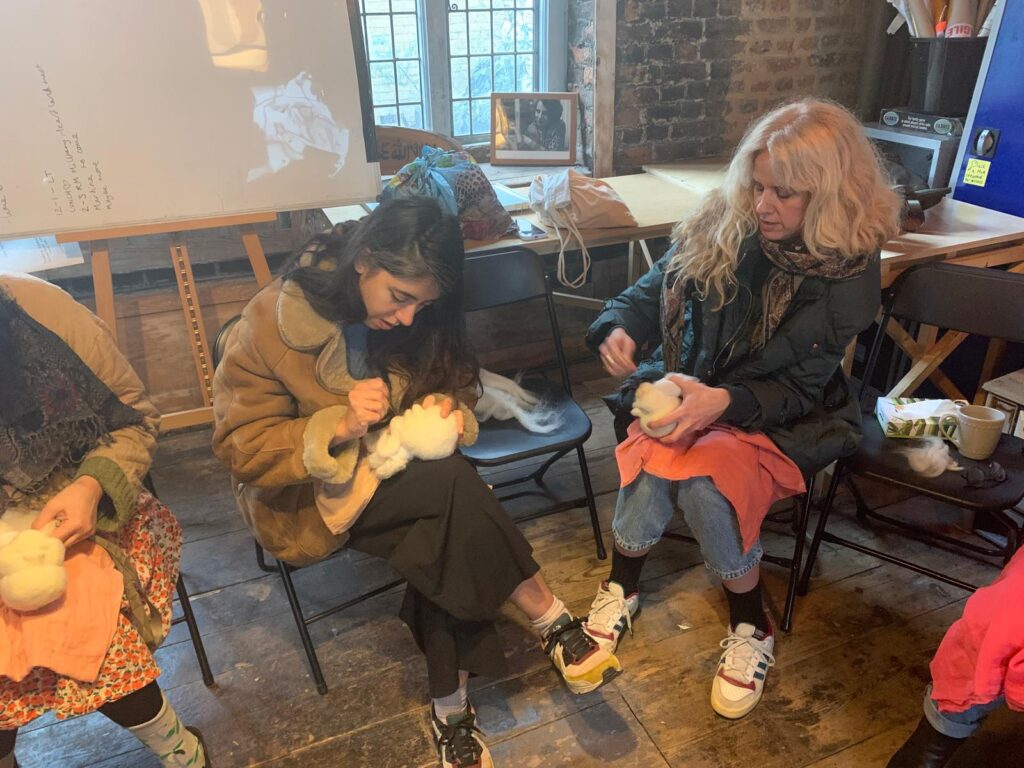
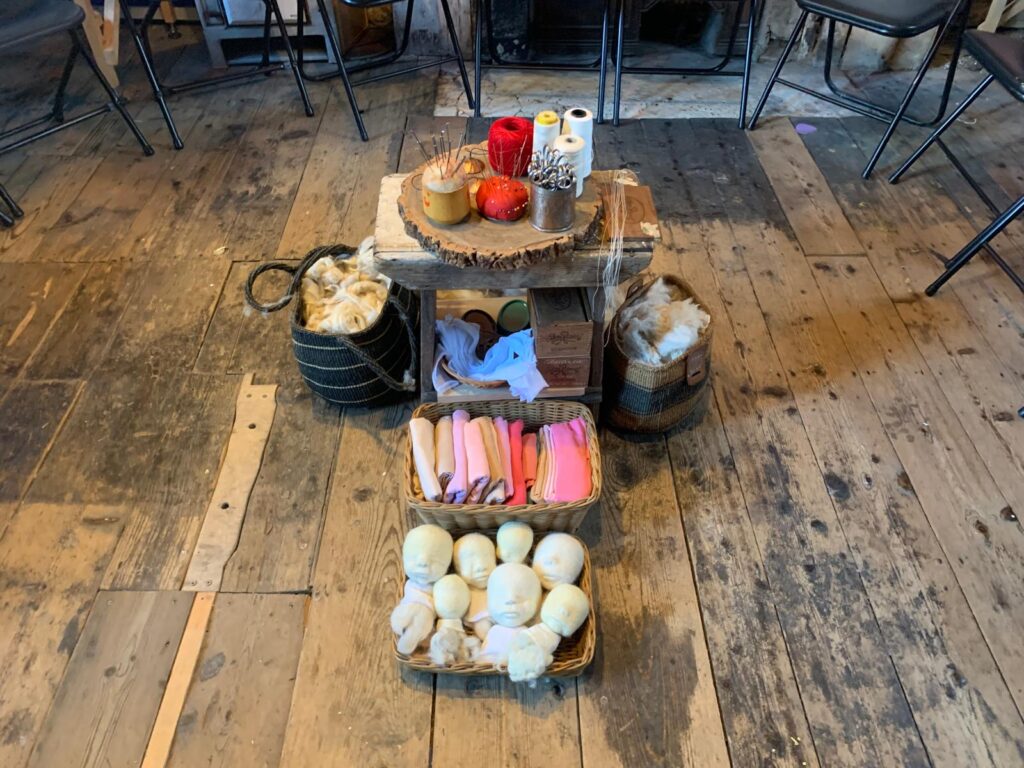
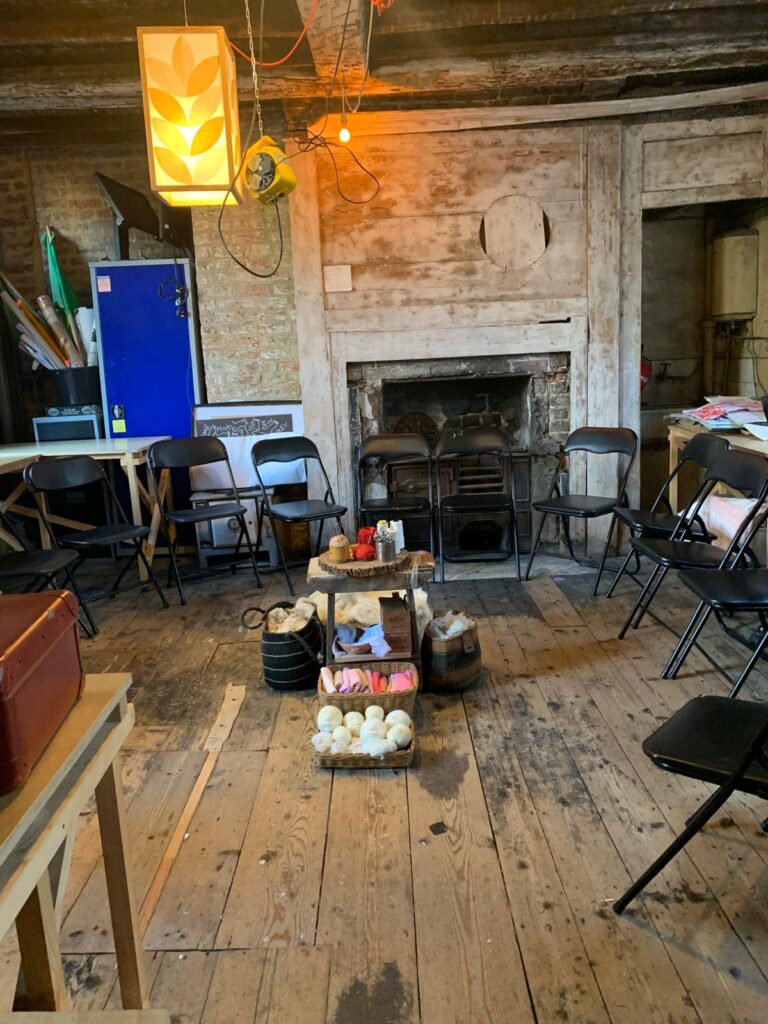
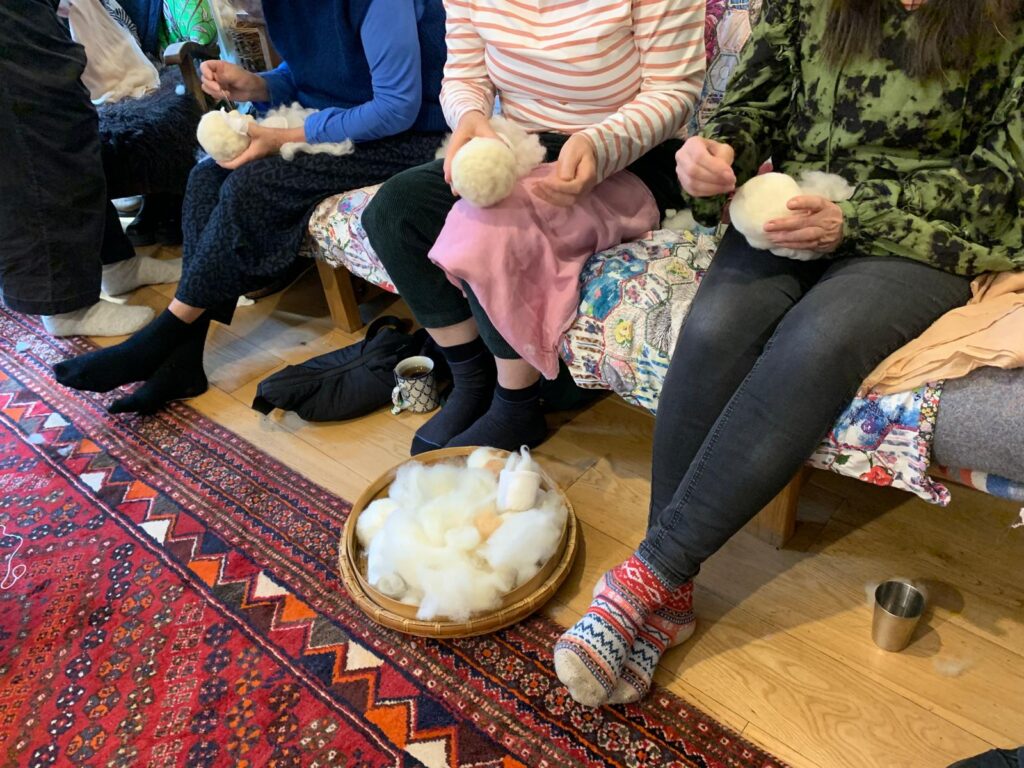
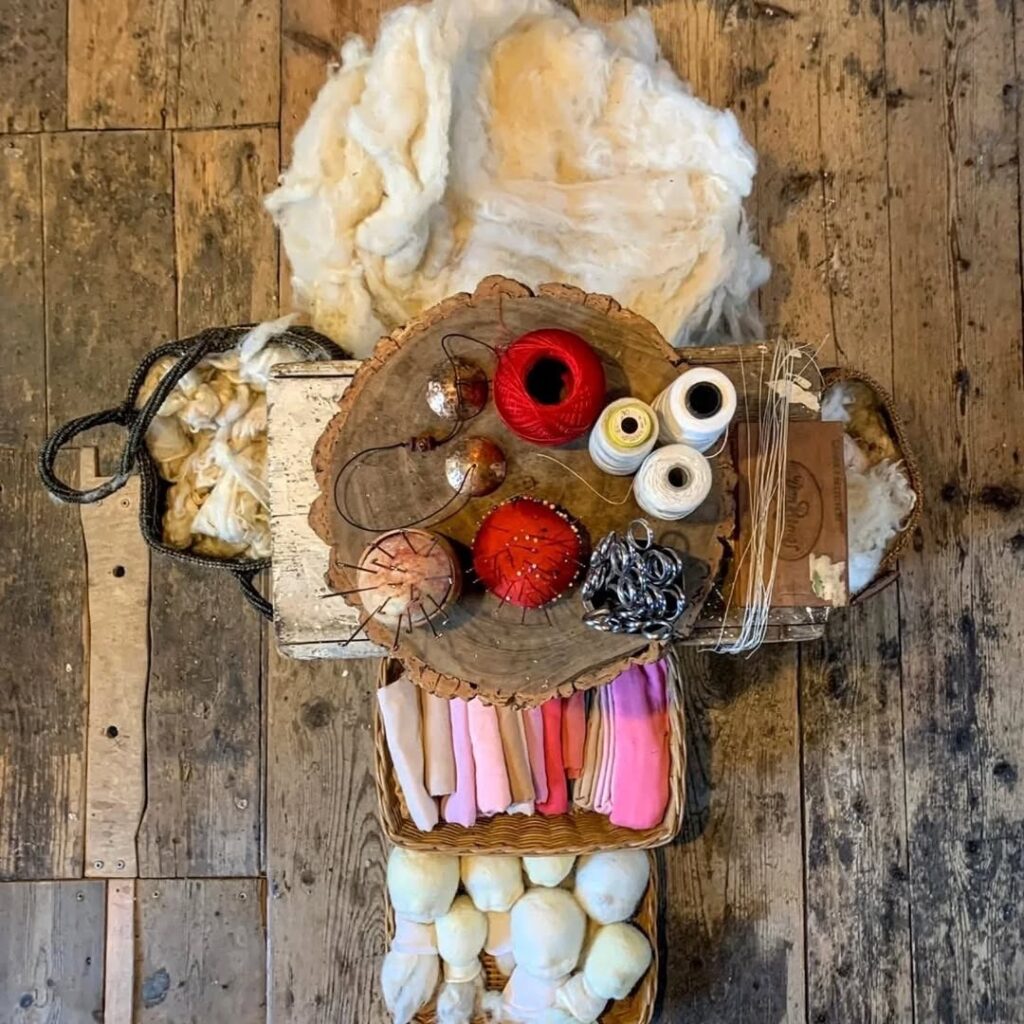
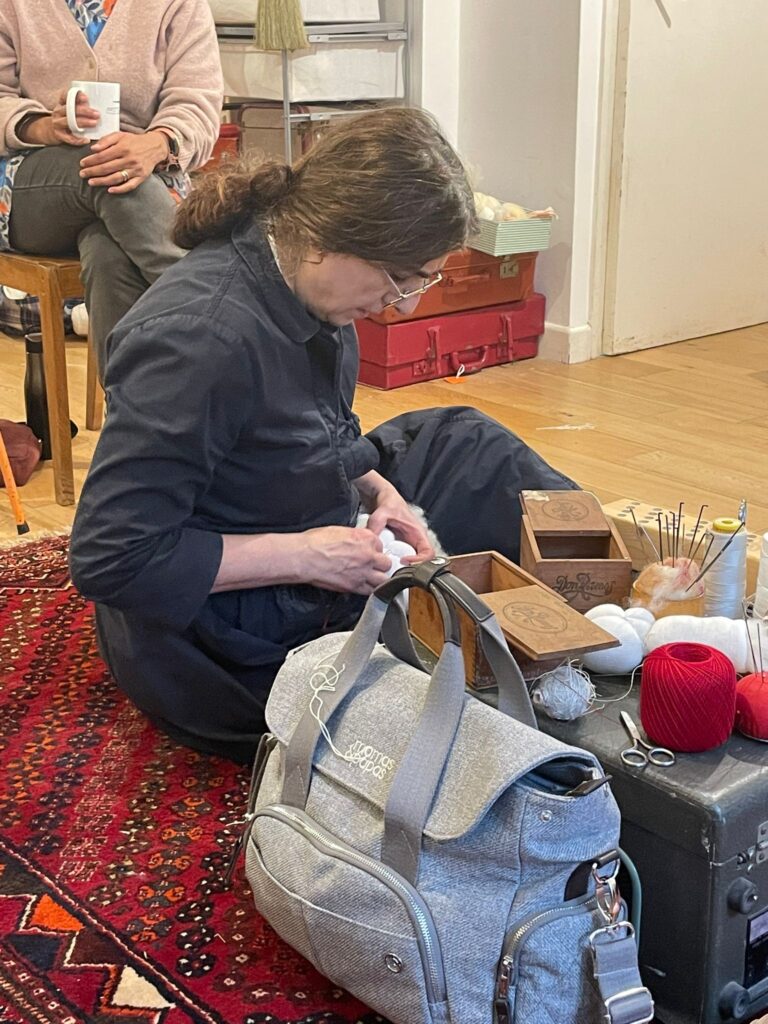
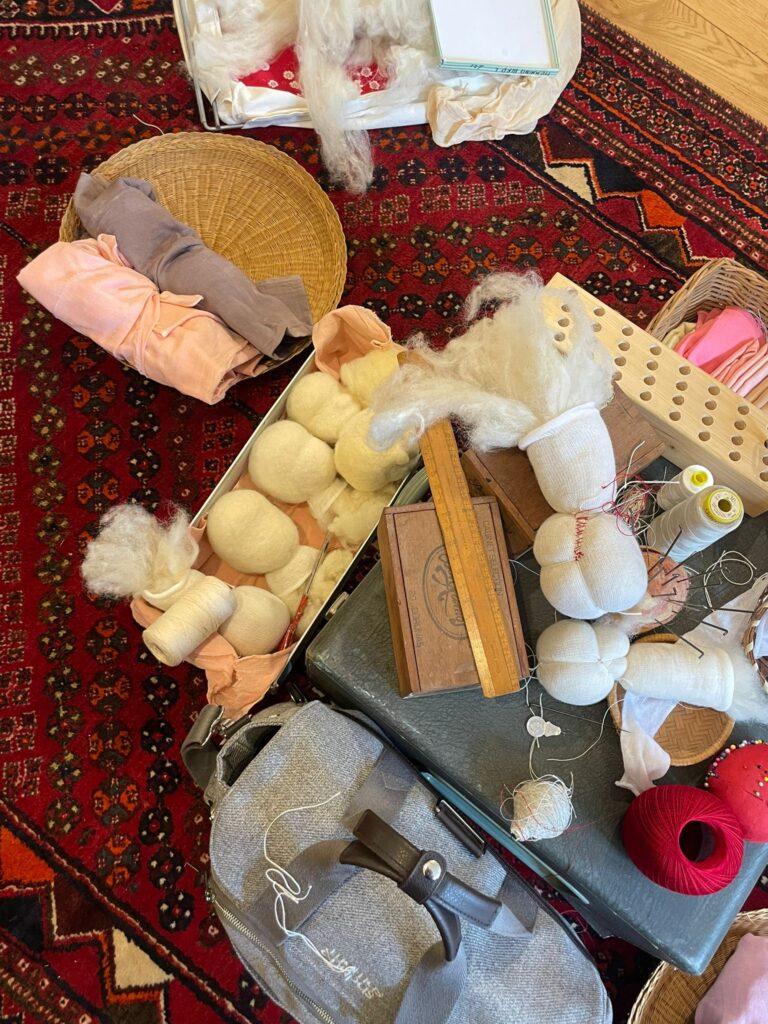
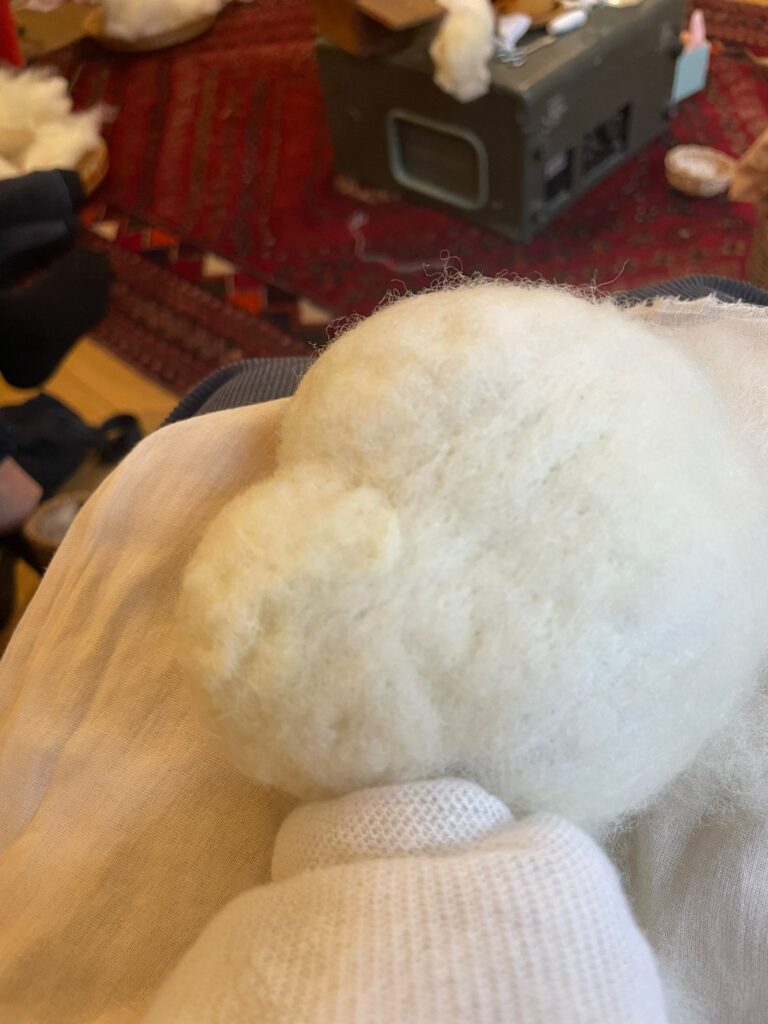
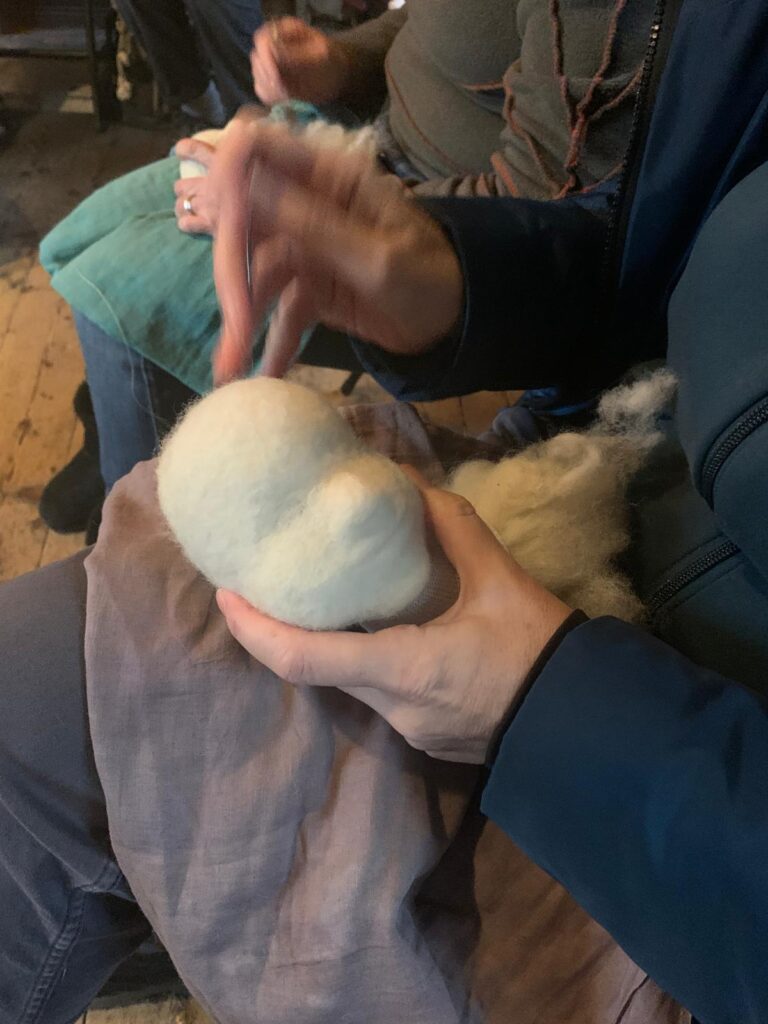
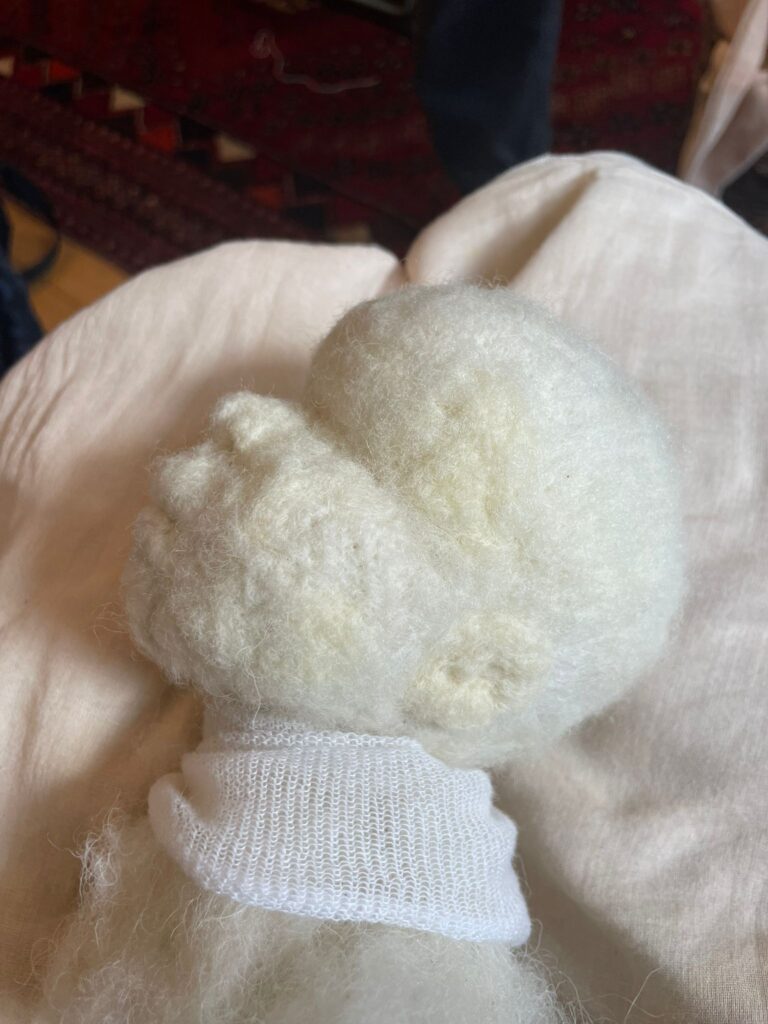
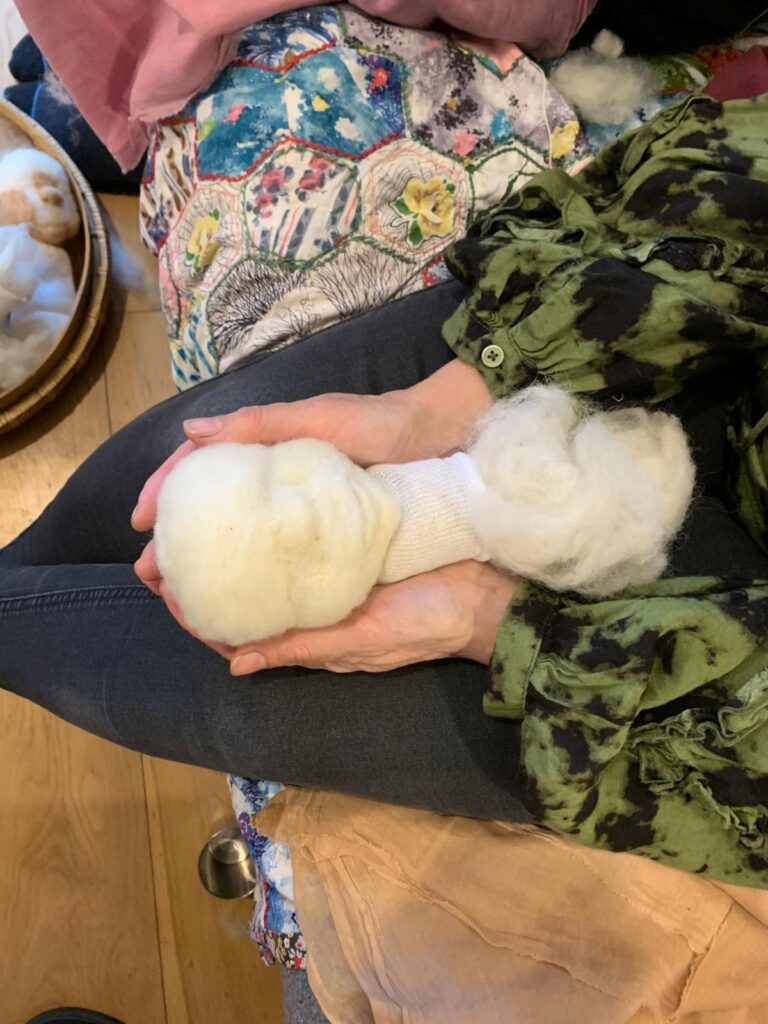
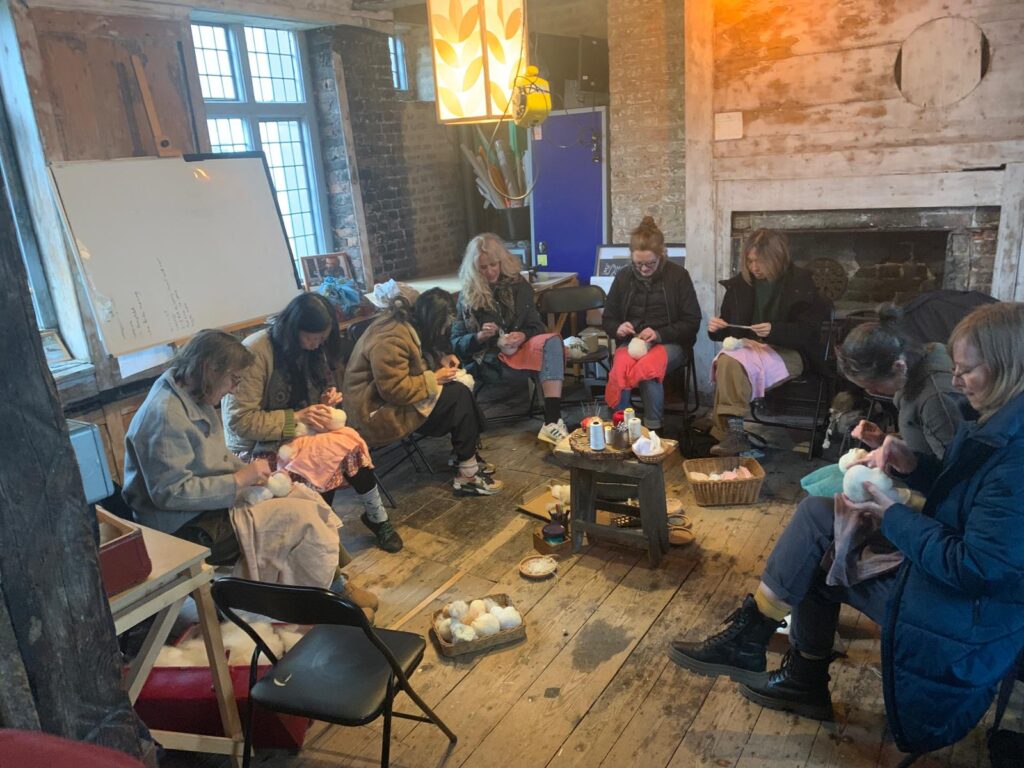
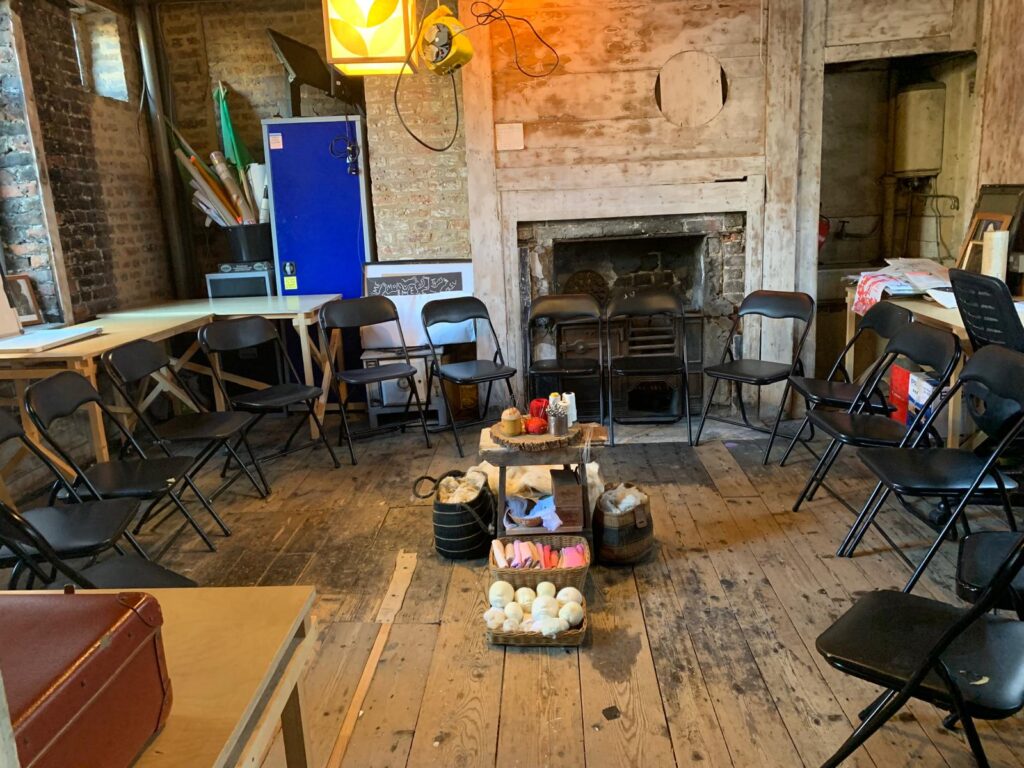
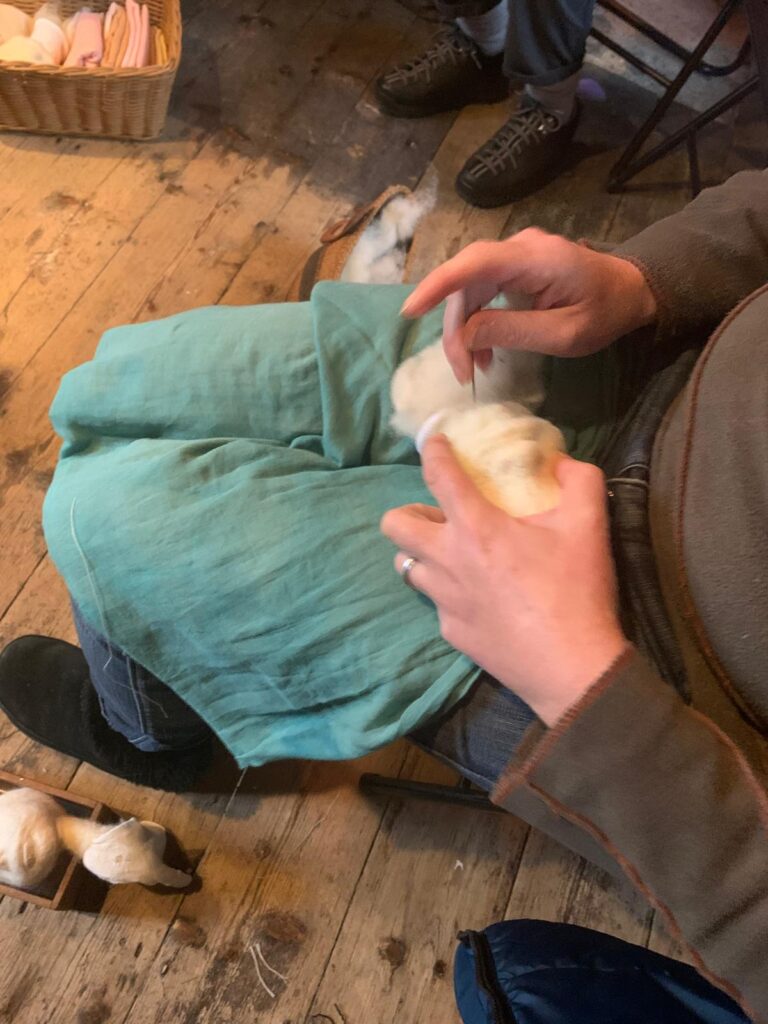
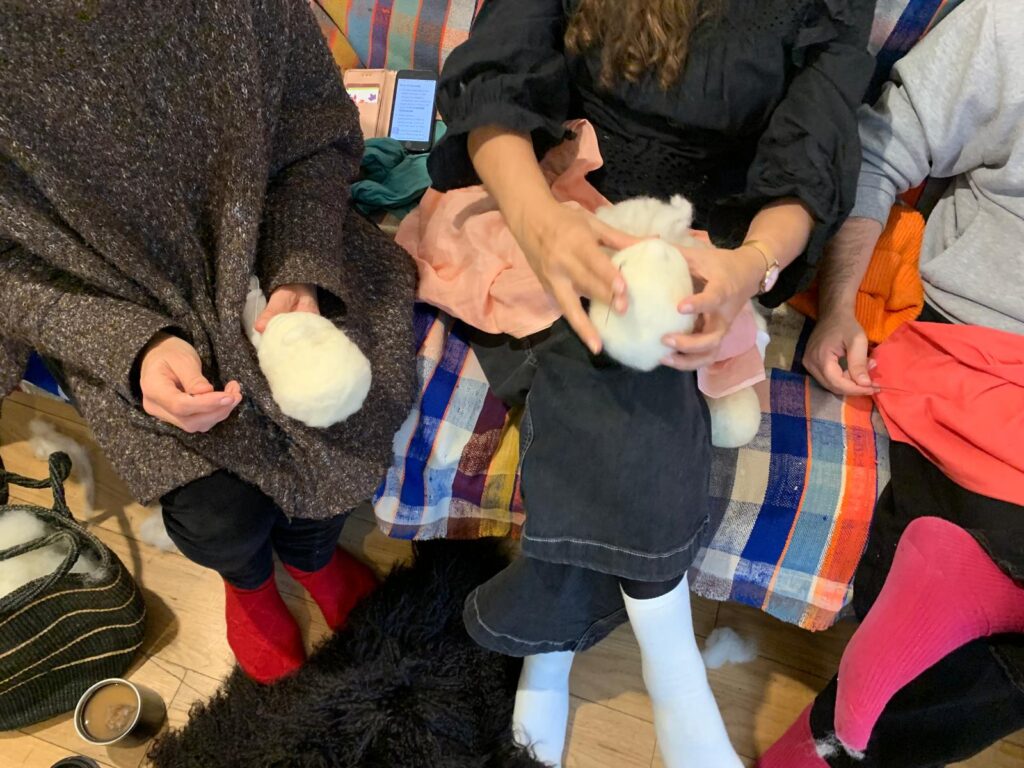
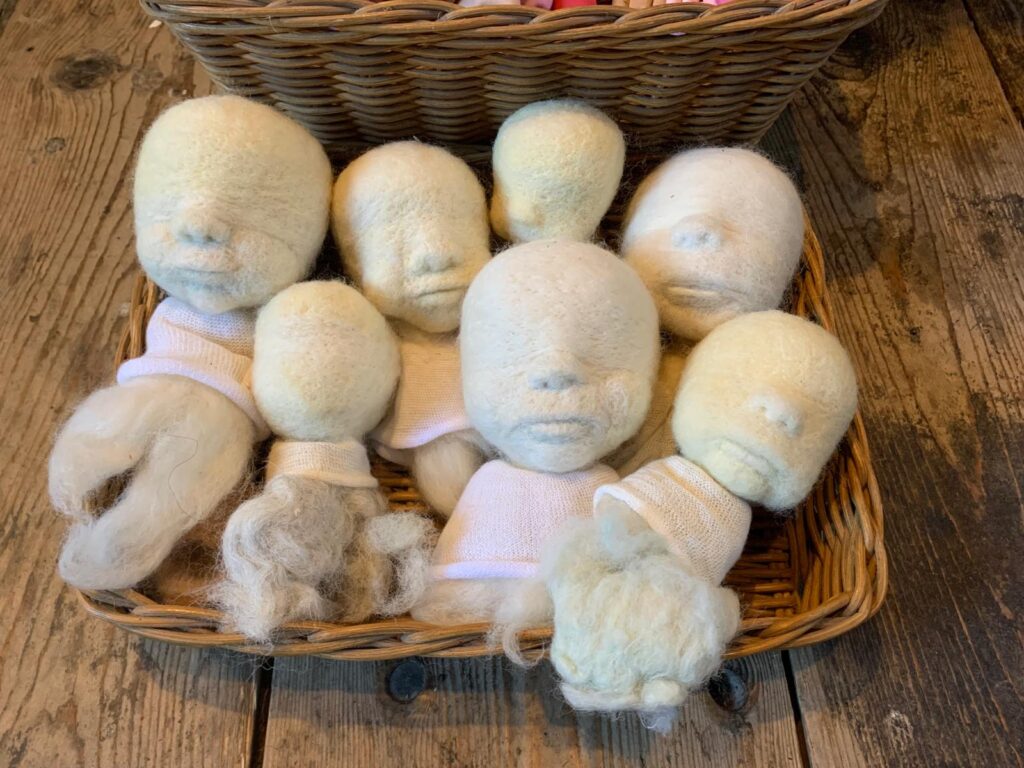
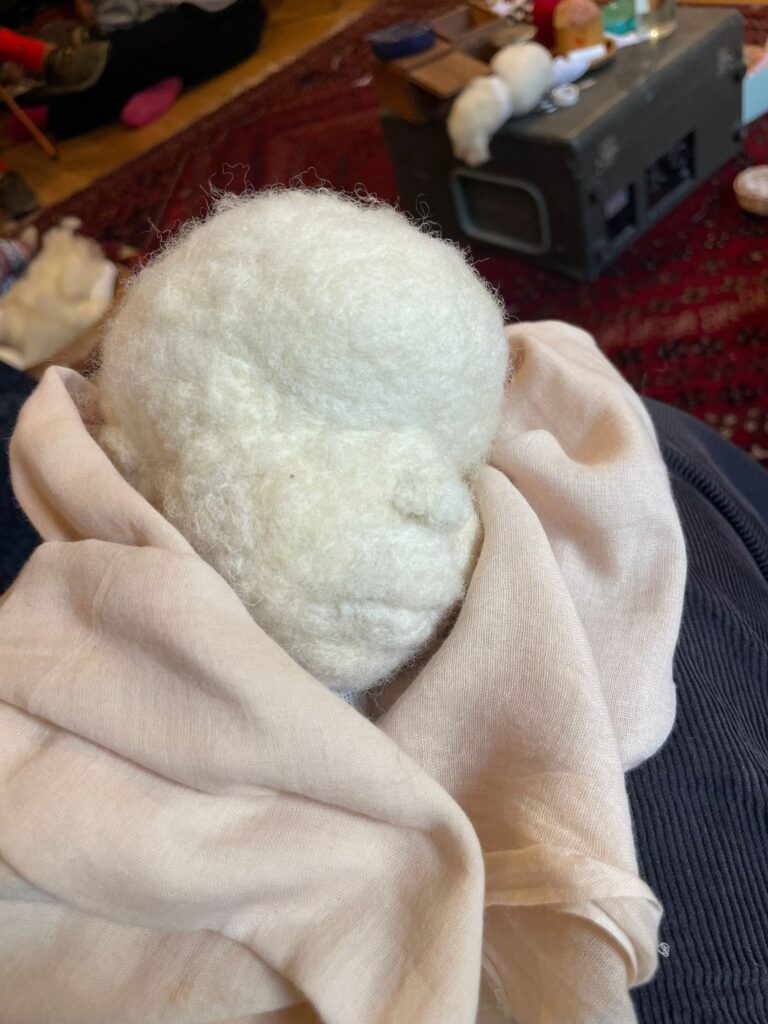
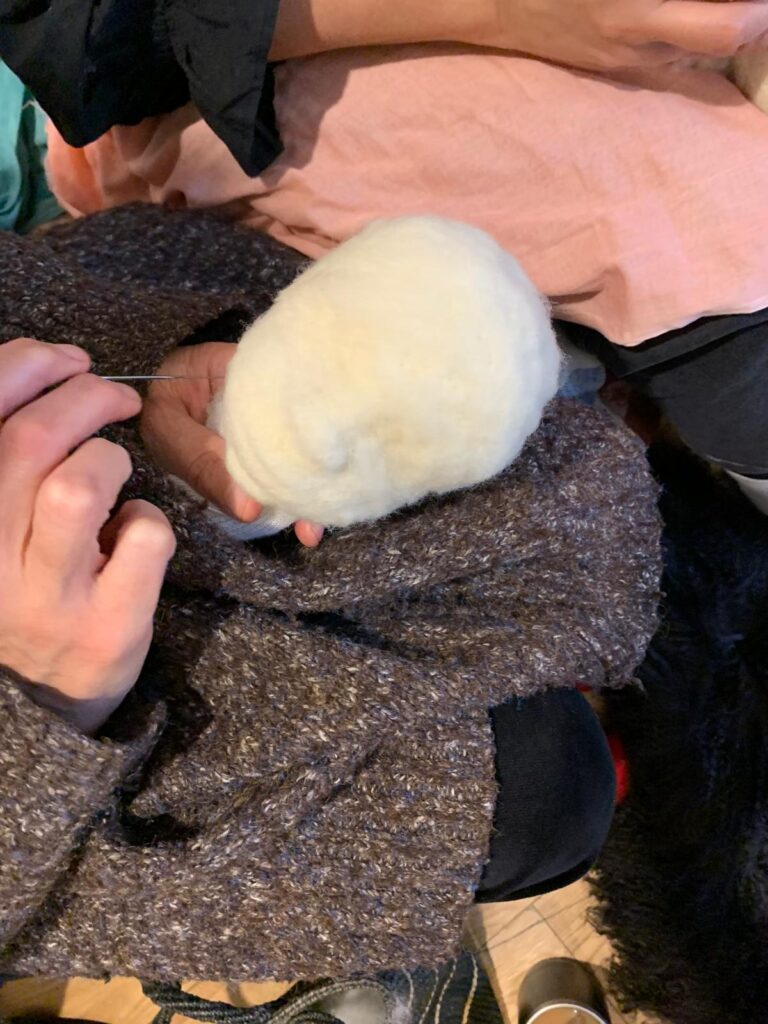
Held over the weekend of October 25th and 26th 2025 in two different London locations we began our first circle and workshop…
Here are some comments made by participants
“I just wanted to say that it was a pleasure to have participated in your project. The world needs more initiatives like that, which promotes consciousness and transmutes the darkness (or lack of consciousness) into something beautiful and meaningful. I commend you for all the intention, time and energy you put into the Anti-War Crafting Circle. It was a beautiful experience for me and I thank you for the opportunity to share a moment of contemplation for the peace we want to see in the world.” Renata
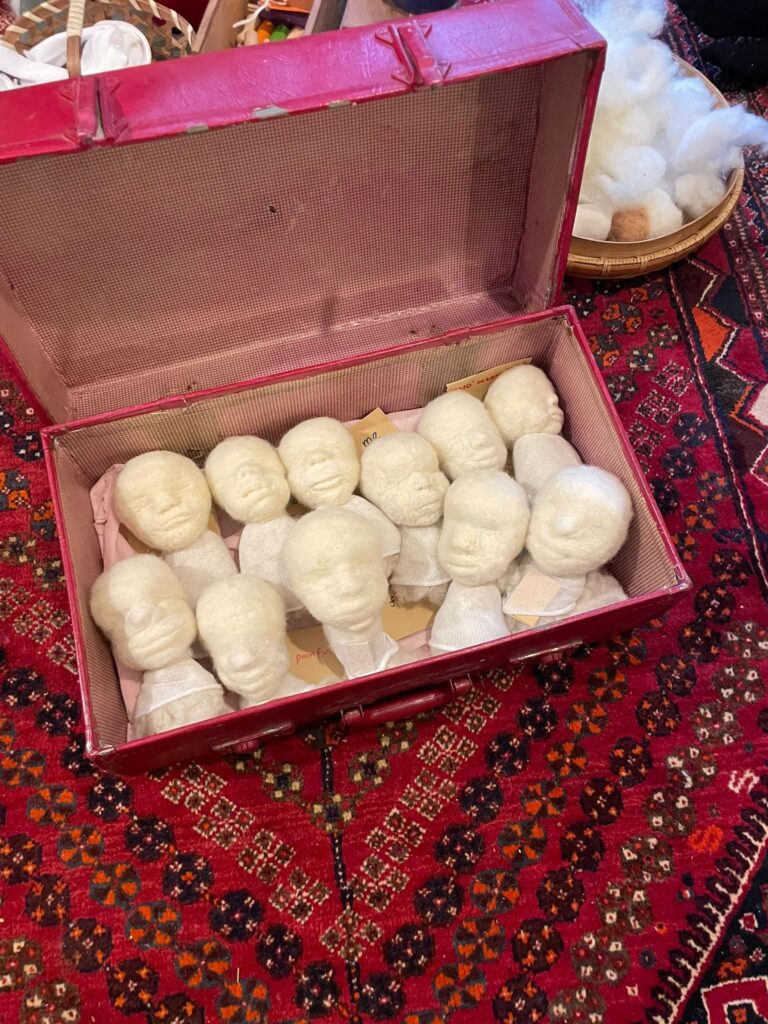
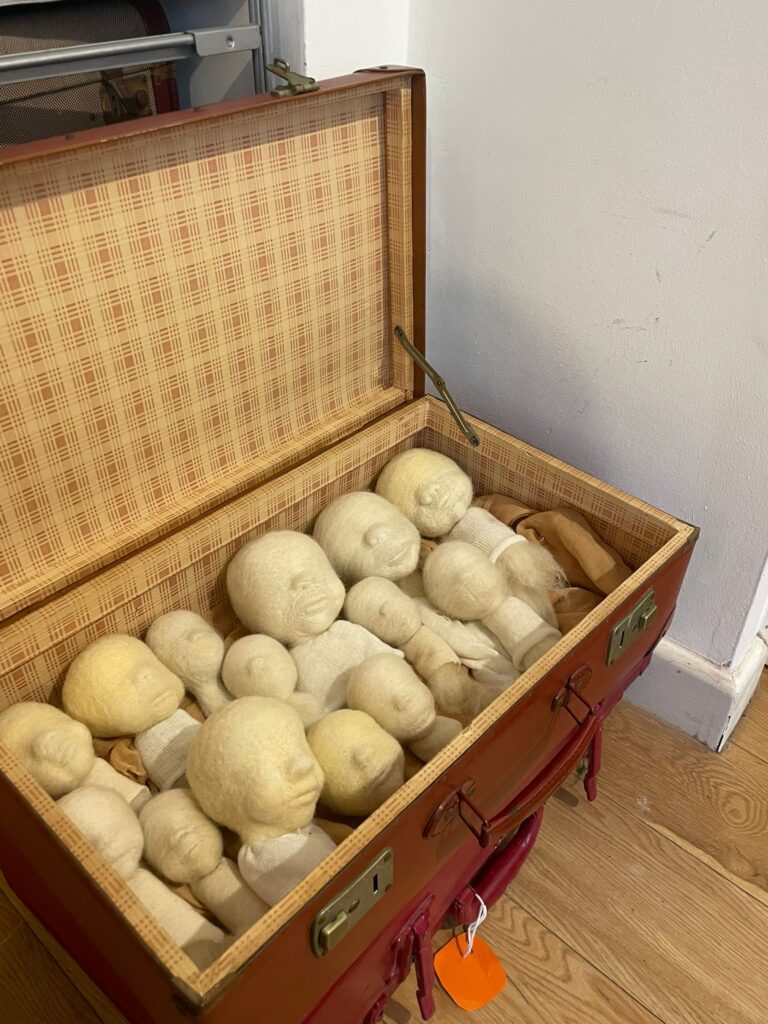
“Taking part in the Workshop and exhibition was a nourishing and heart warming experience. Sevim led the workshop with calm kindness and expertise so that the new skills taught felt well supported and a pleasure to work at- I would love to do more. A powerful aspect of the whole experience was the sense of community present all the way through – from sitting in a circle making together to the exhibition and the beautiful food shared as well our shared desire to support Palestine. The finished exhibition was haunting and evoked the pain and suffering of Palestinians and the babies born into this man -created turmoil. Thank you to everyone who organised this important event.” Kate
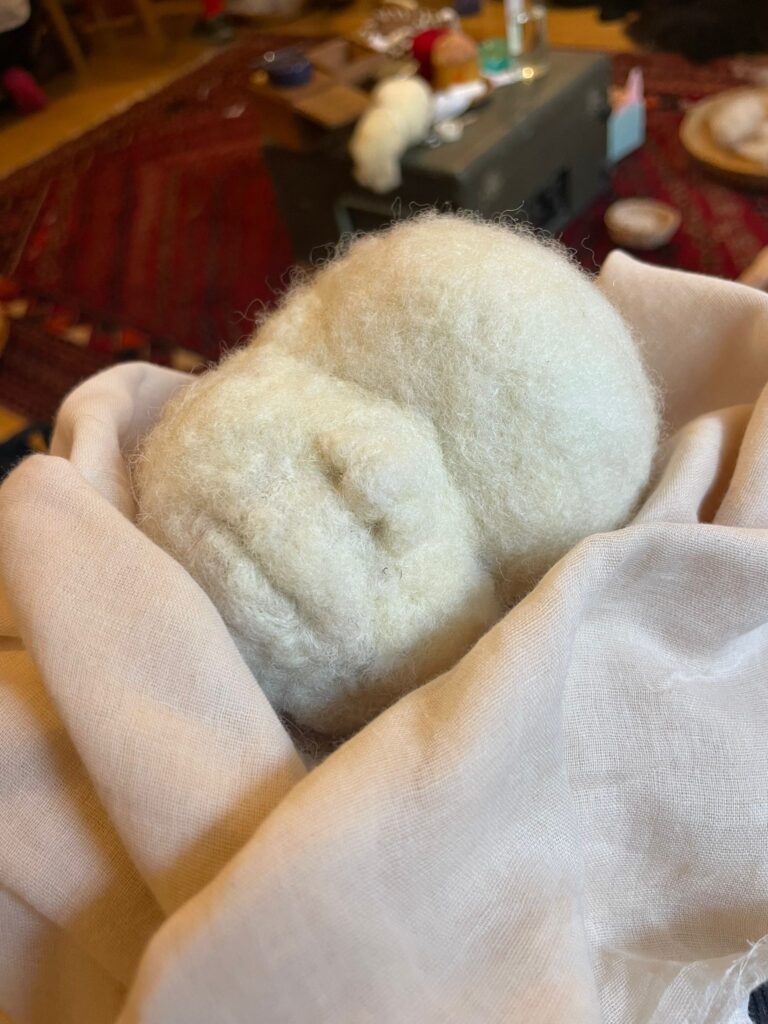
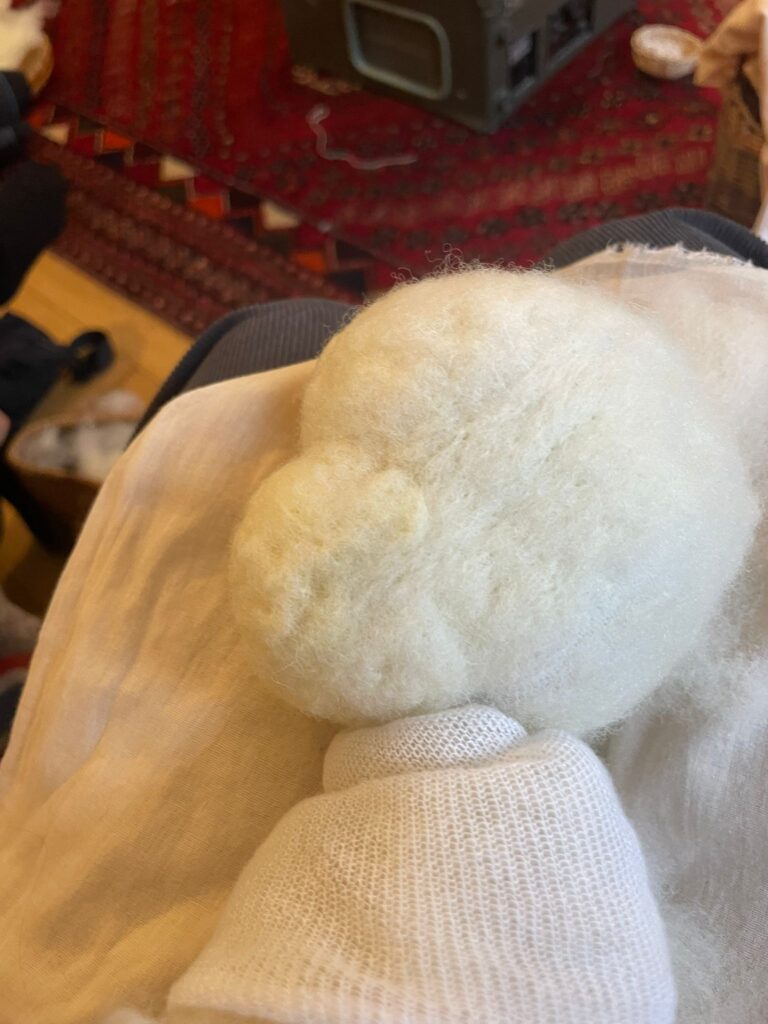
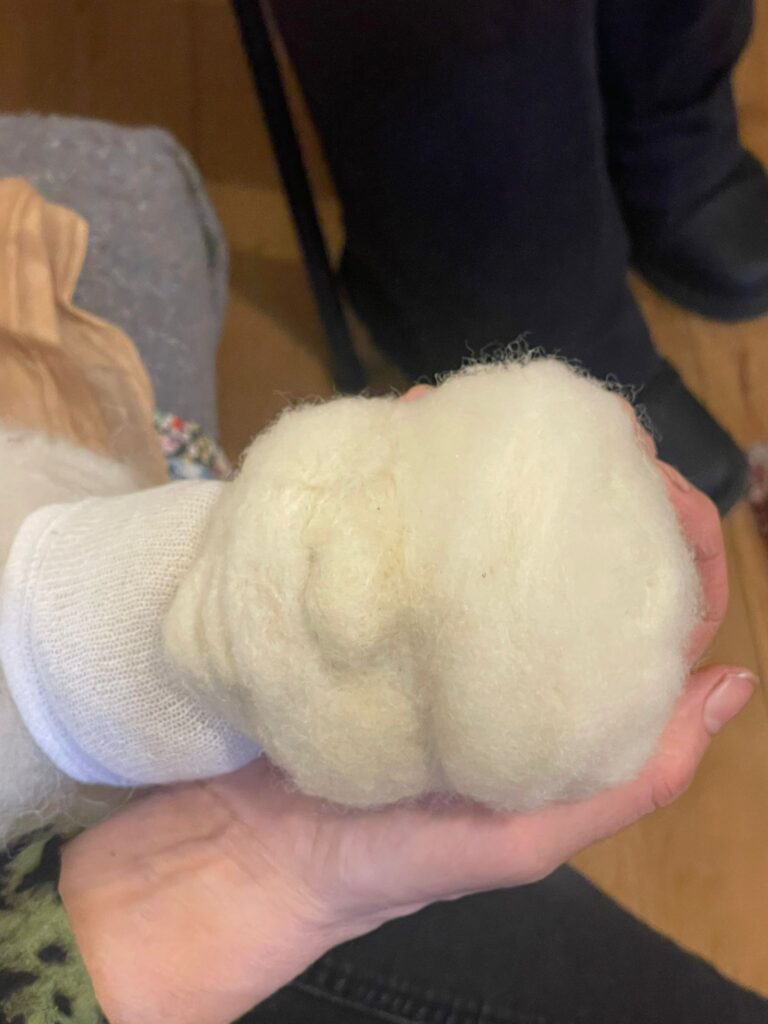
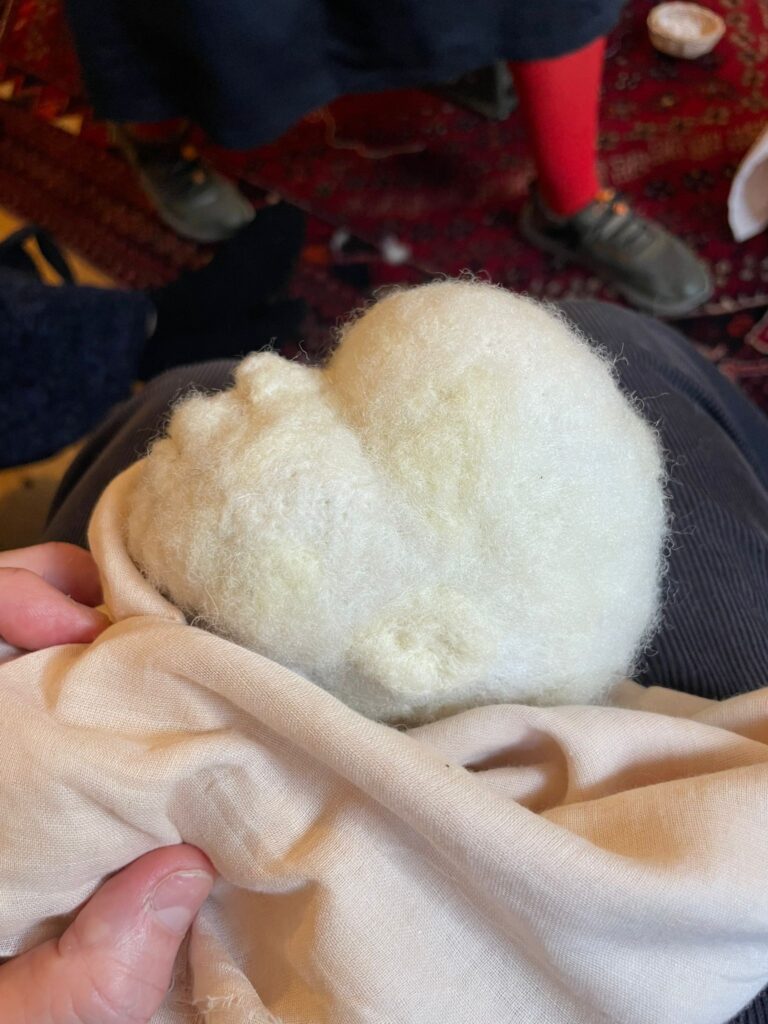
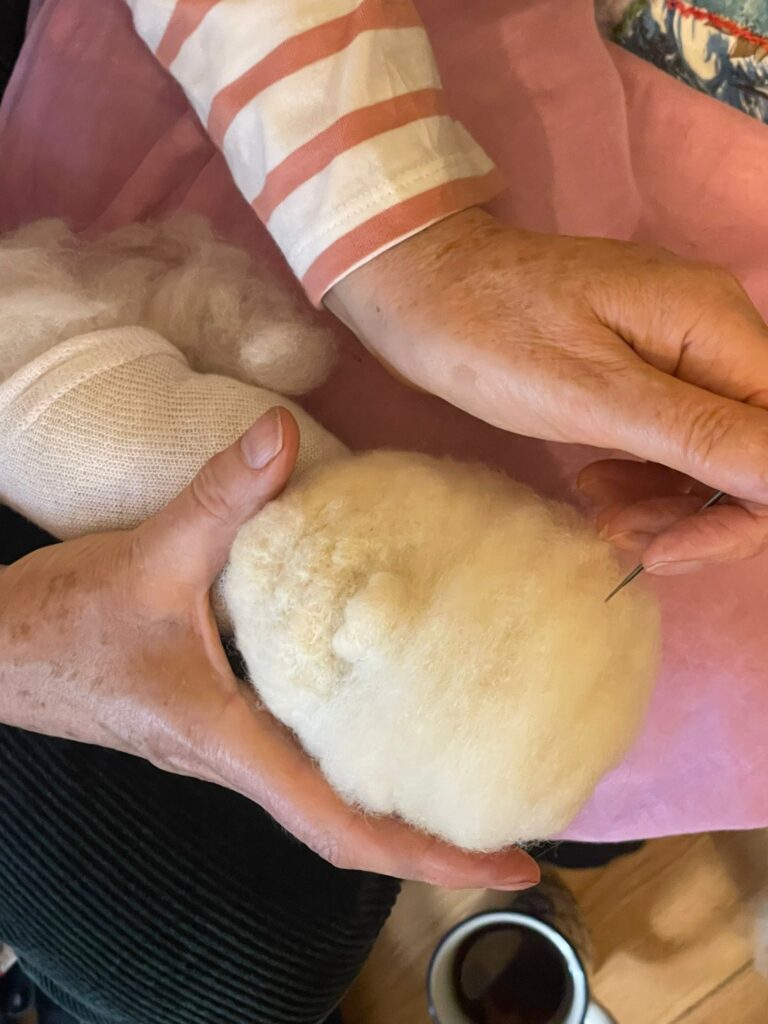
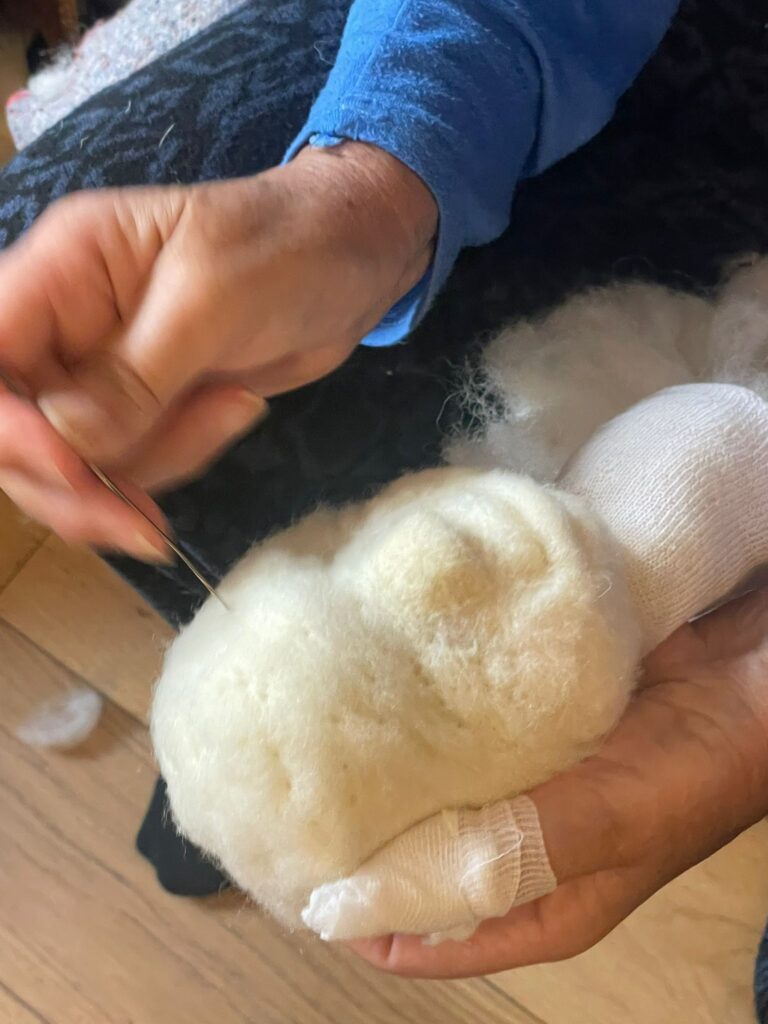
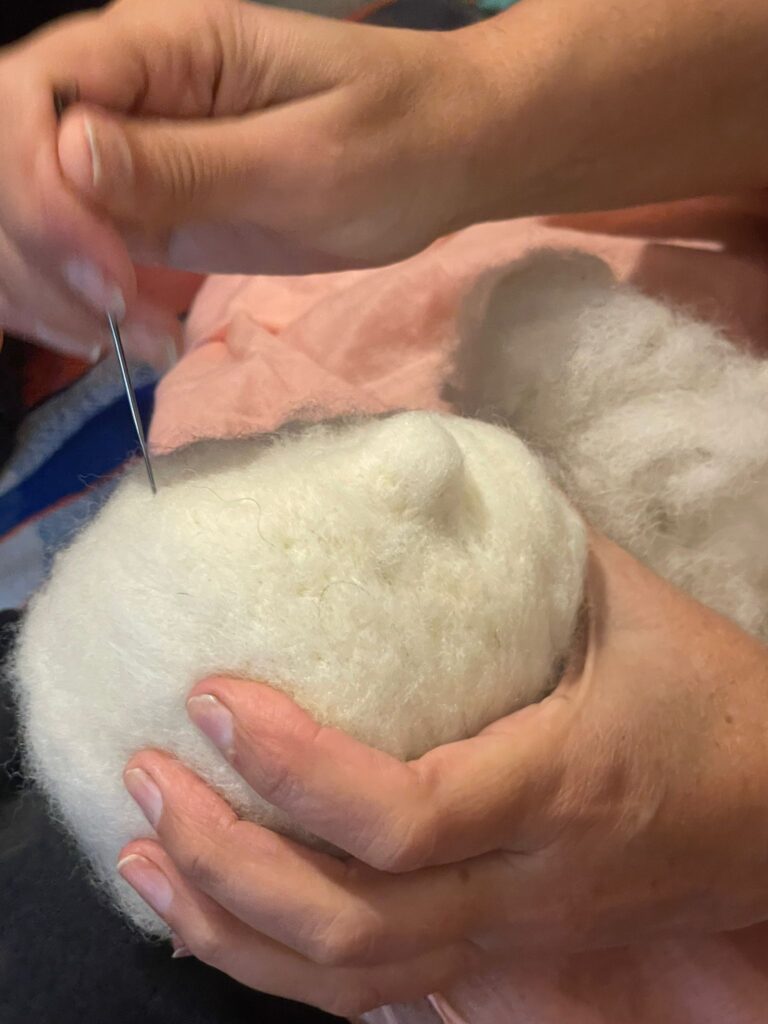
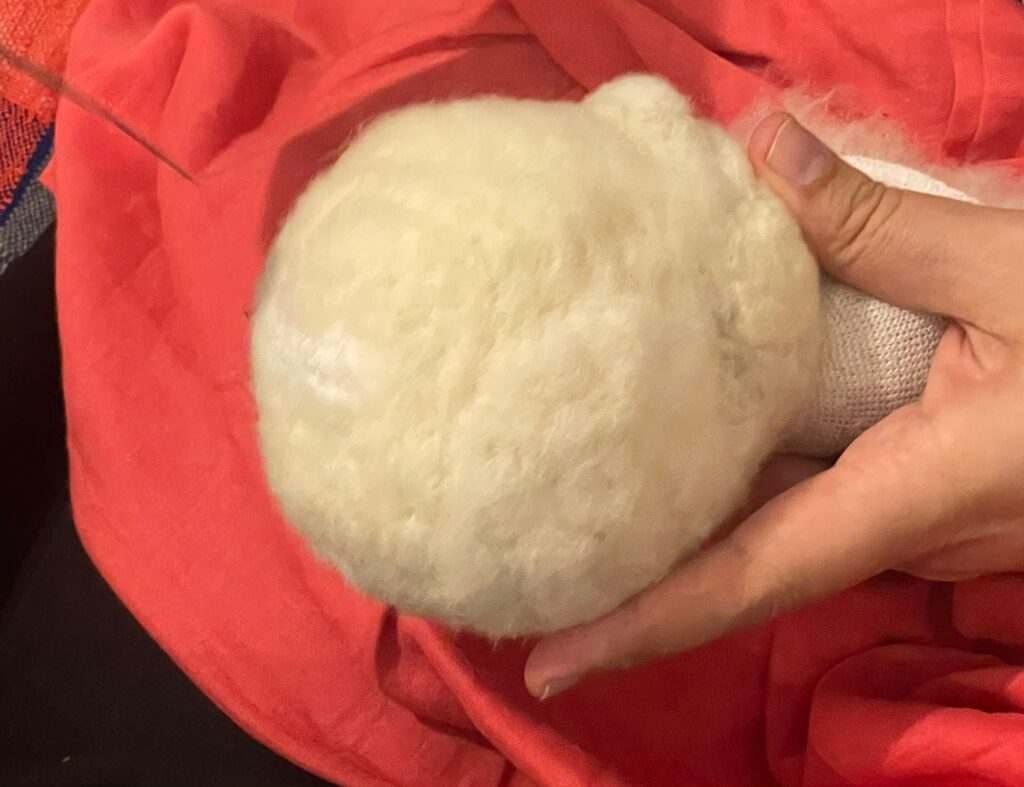
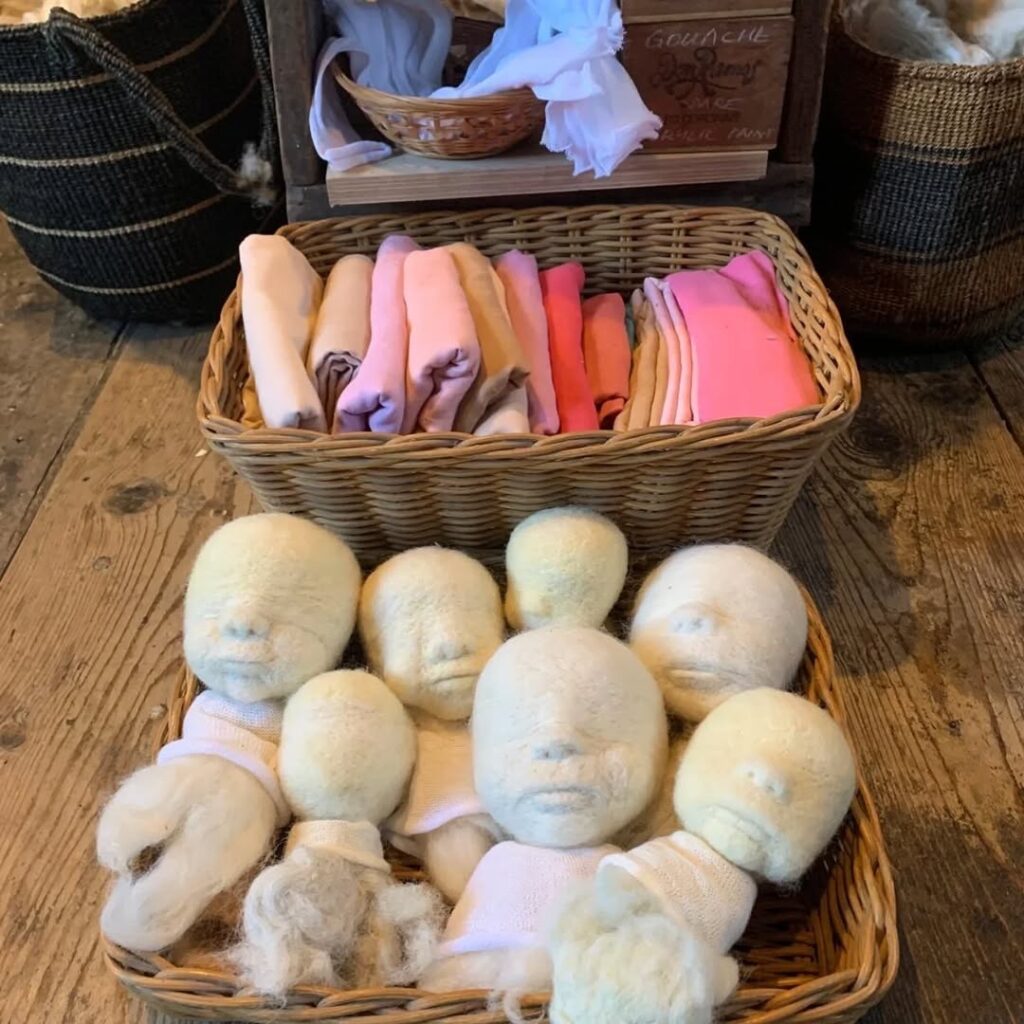
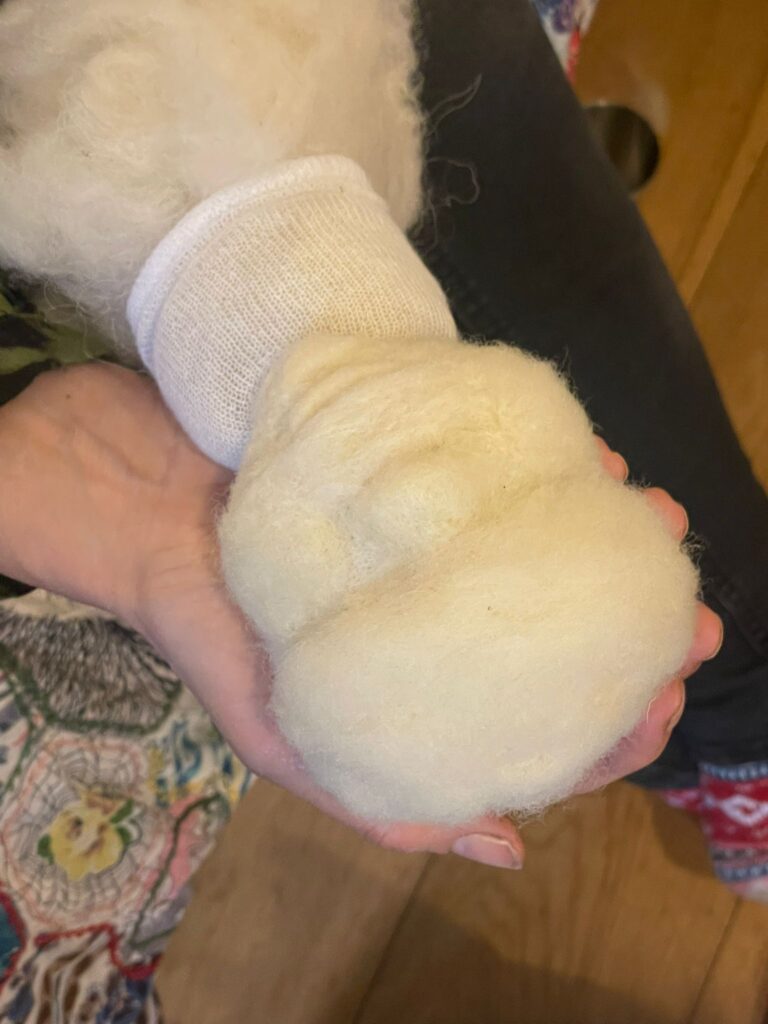
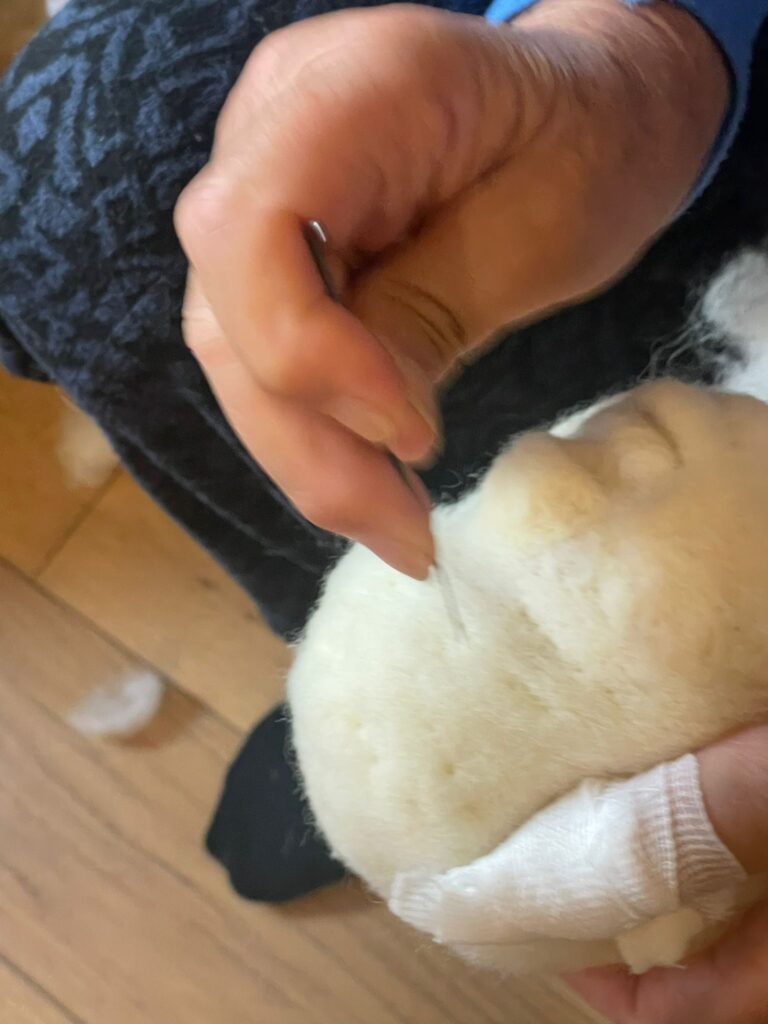
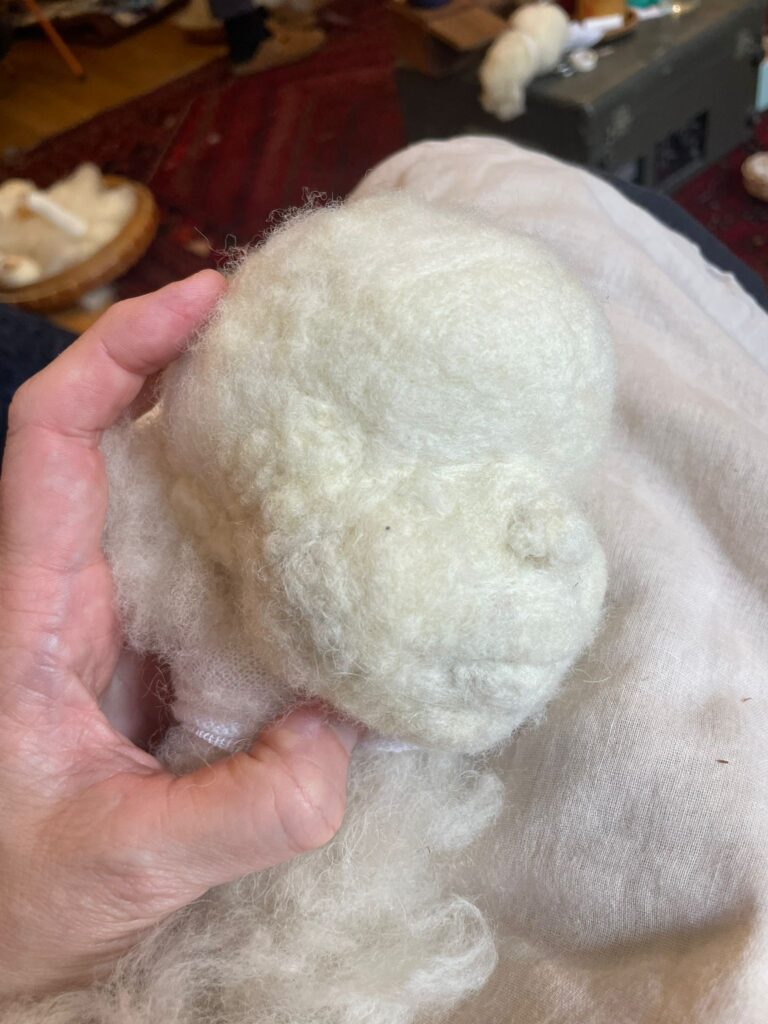
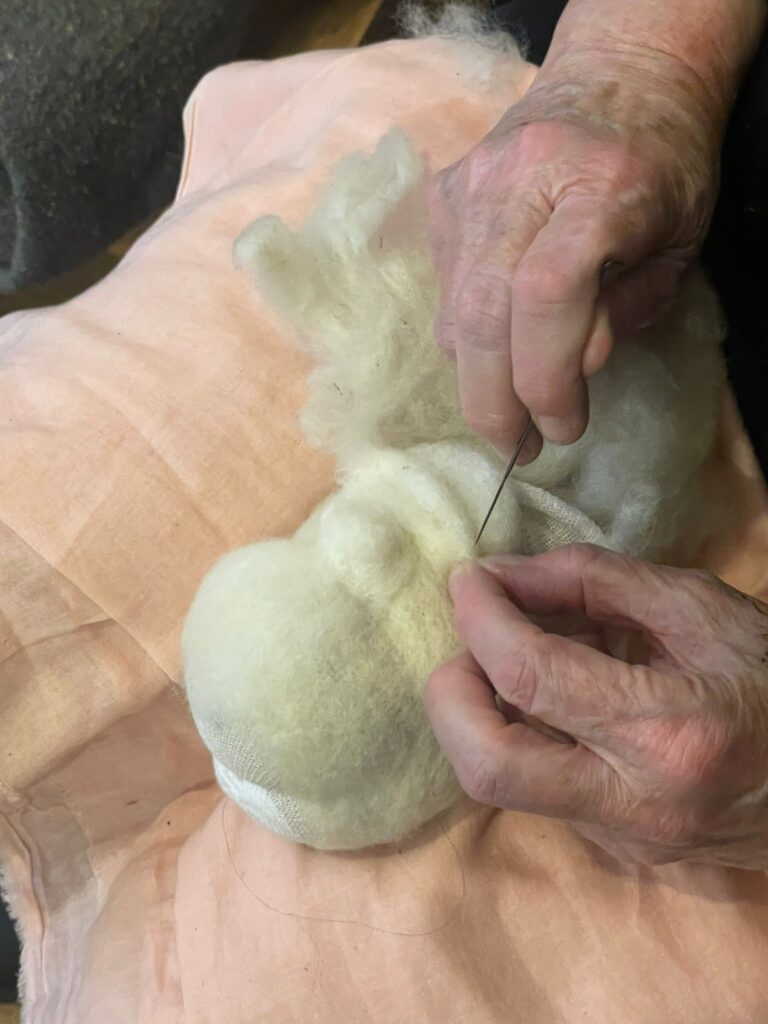
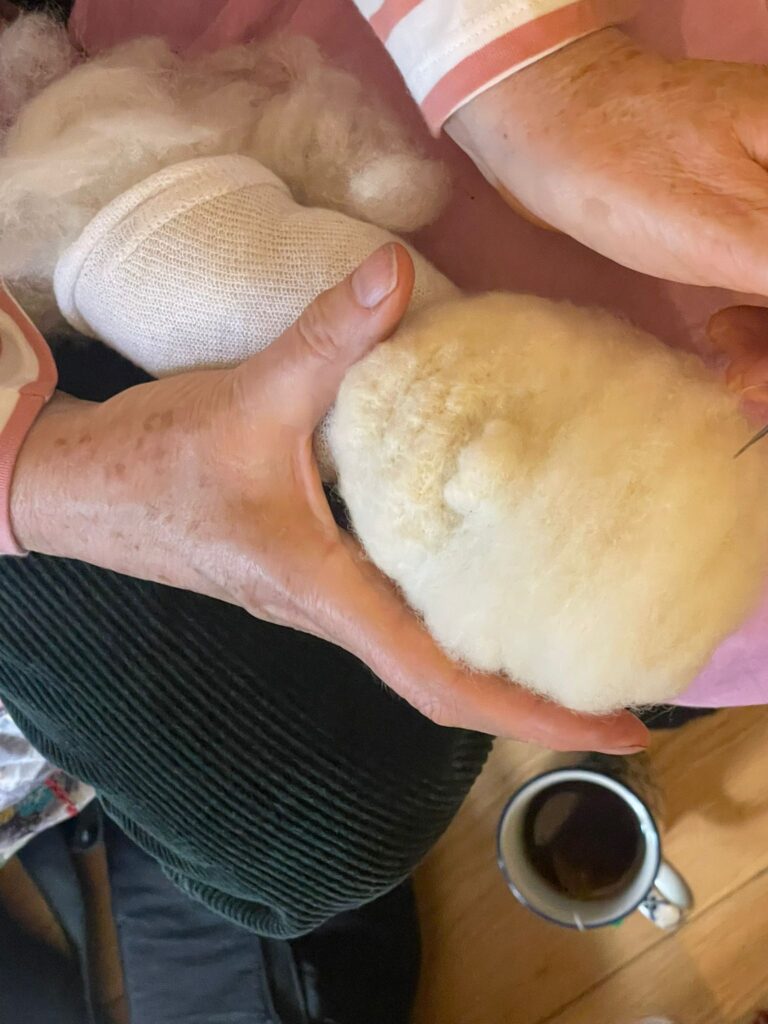
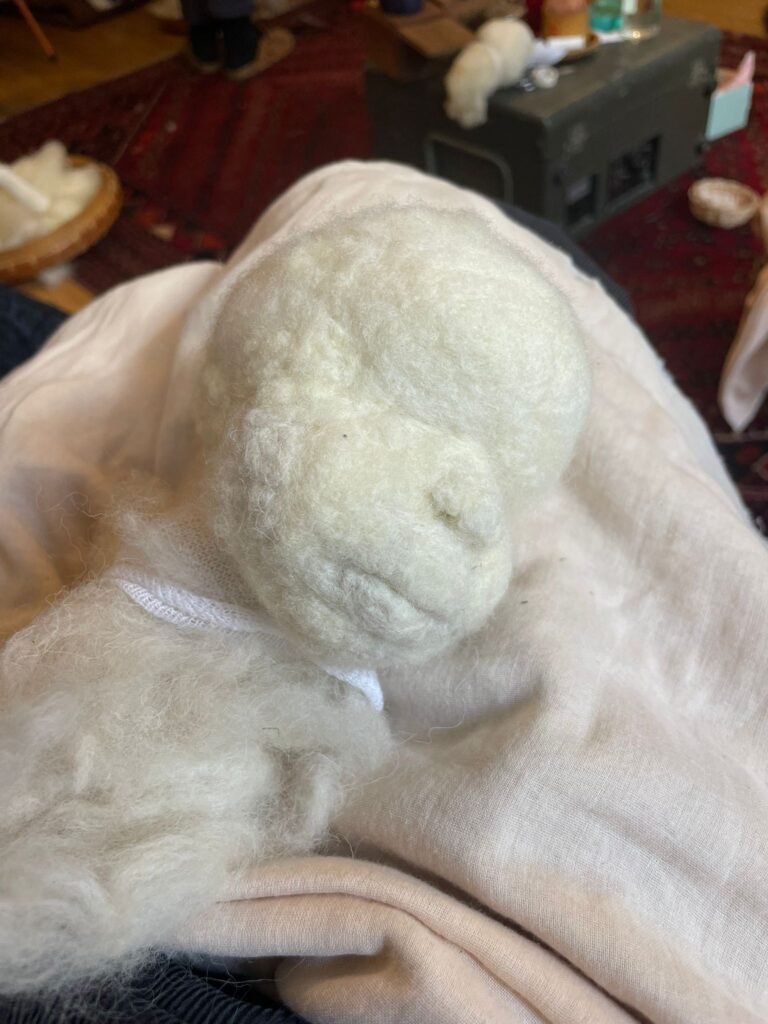
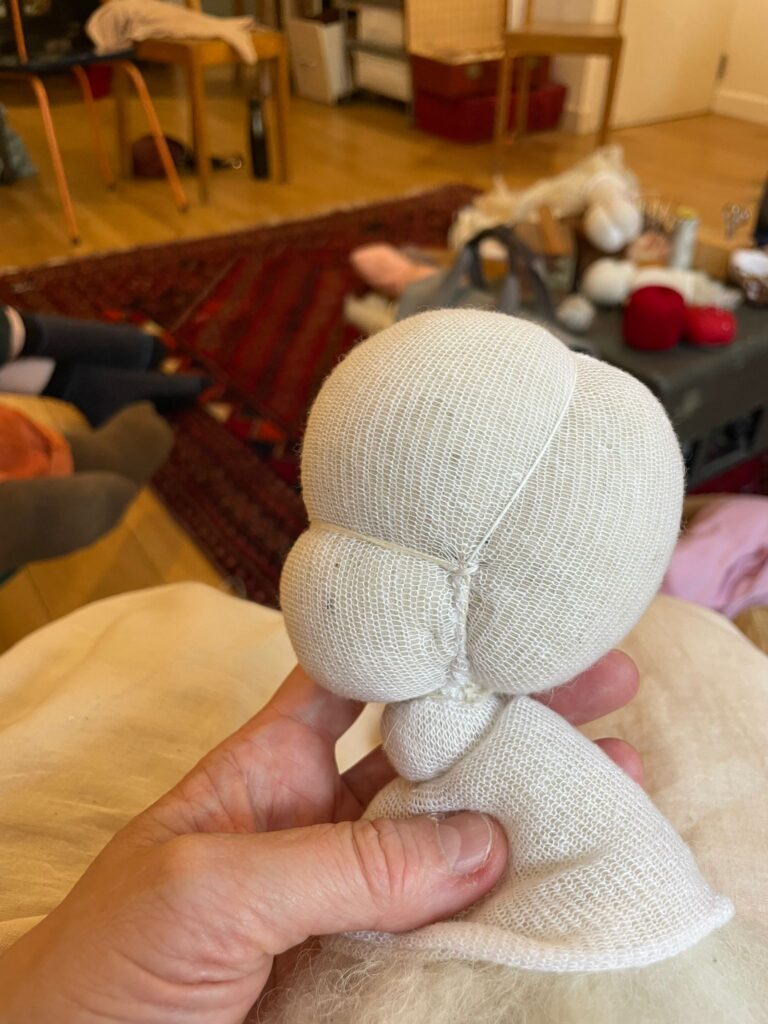
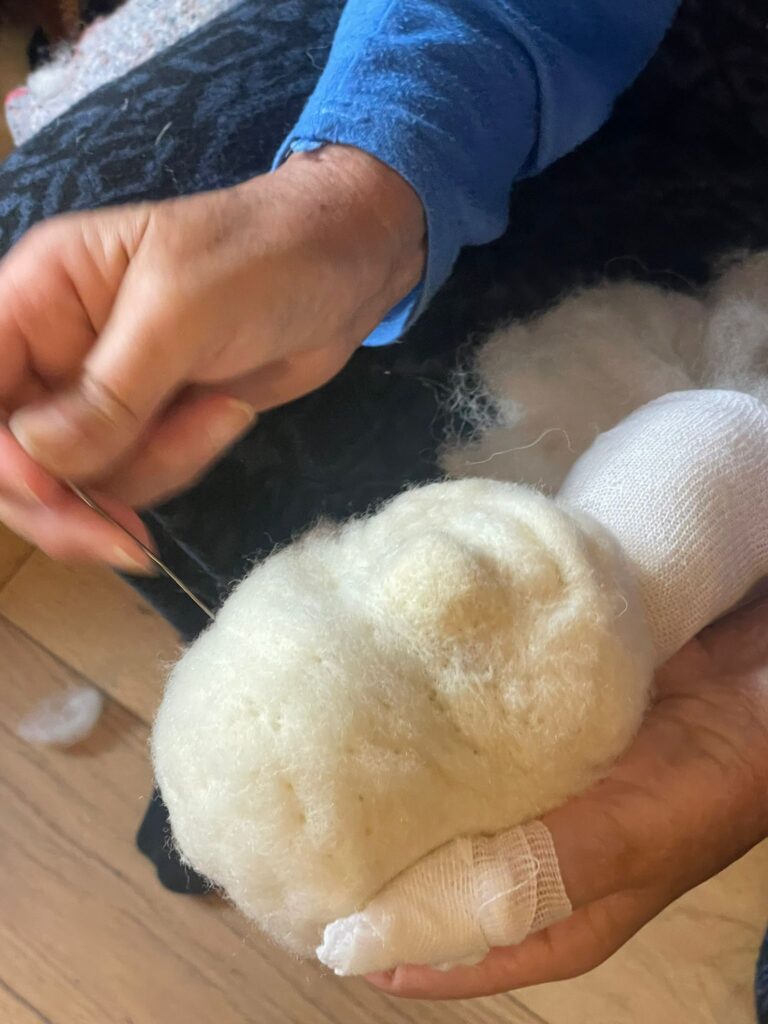
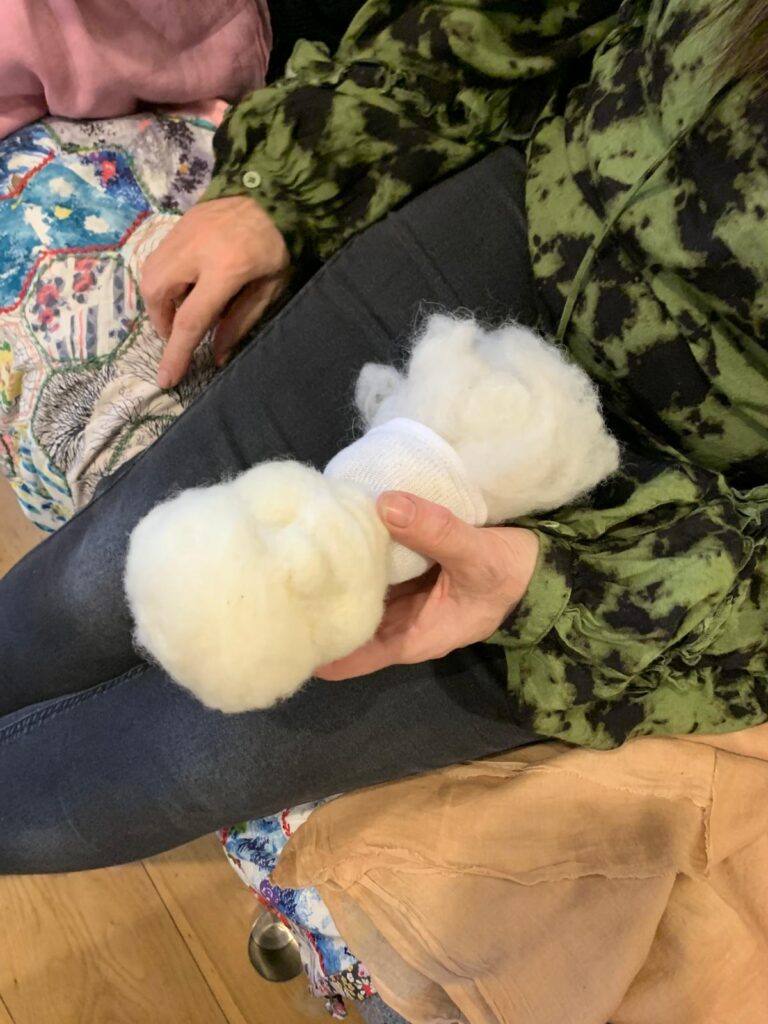
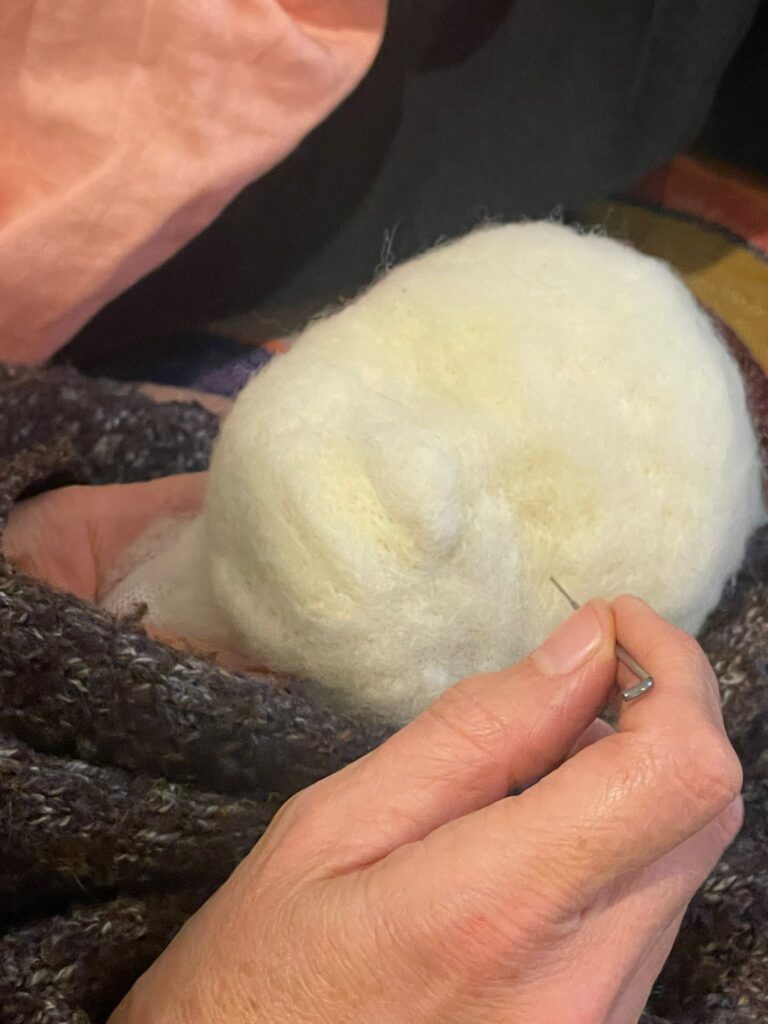
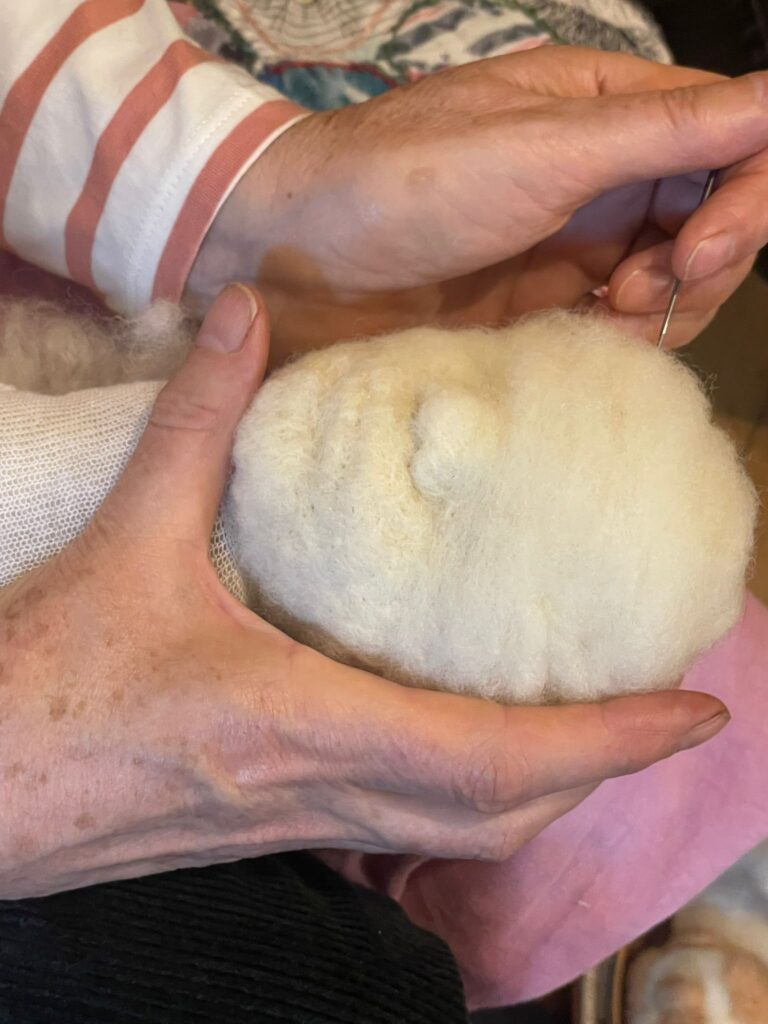
“Within this quiet act of becoming, we, strangers, gather, bound by the same ache, united in our refusal of war. In a circle, we begin to shape the felt with our hands, as if echoing the slow, unseen miracle of life forming in the dark shelter of a womb. The needle enters and rises, enters and rises, and our fingers keep a steady rhythm. From softness emerge the small details of a child: a curved mouth, a delicate nose, a wide and open forehead, round cheeks still untouched by time.
The rhythm holds.
Until we reach the eyes.
“There are no eyes,” Sevim says.
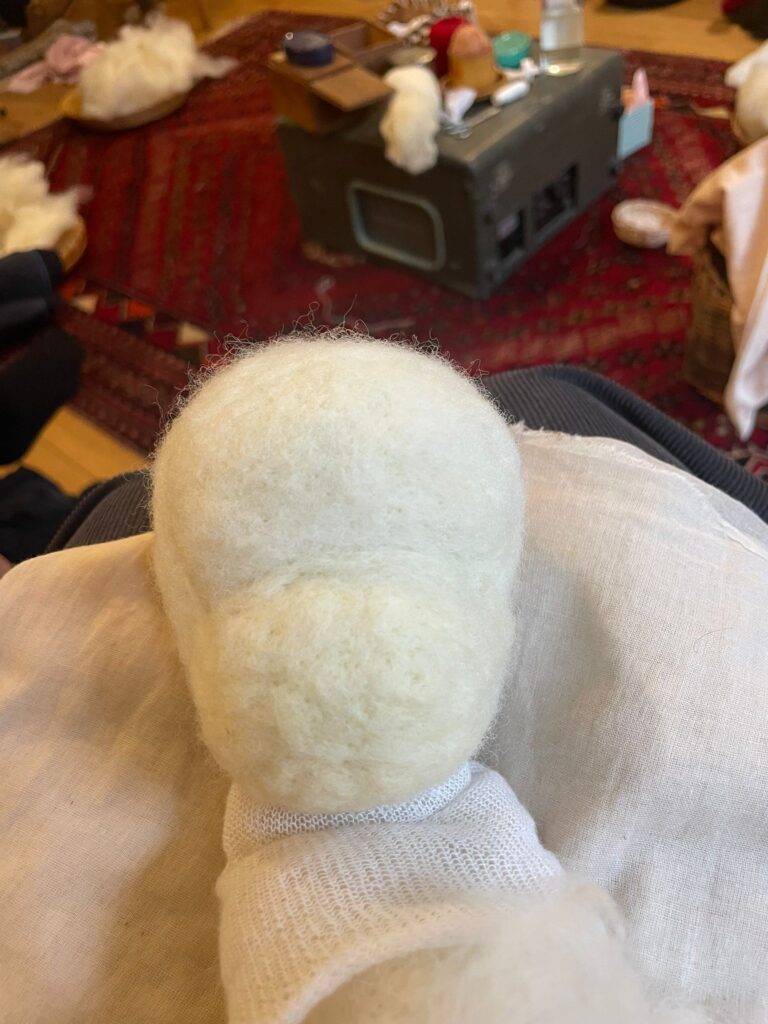
And she is right. There are no eyes. Because if there were, they would search the world. They would witness it. They would recognise what has been done. They would fill with tears.
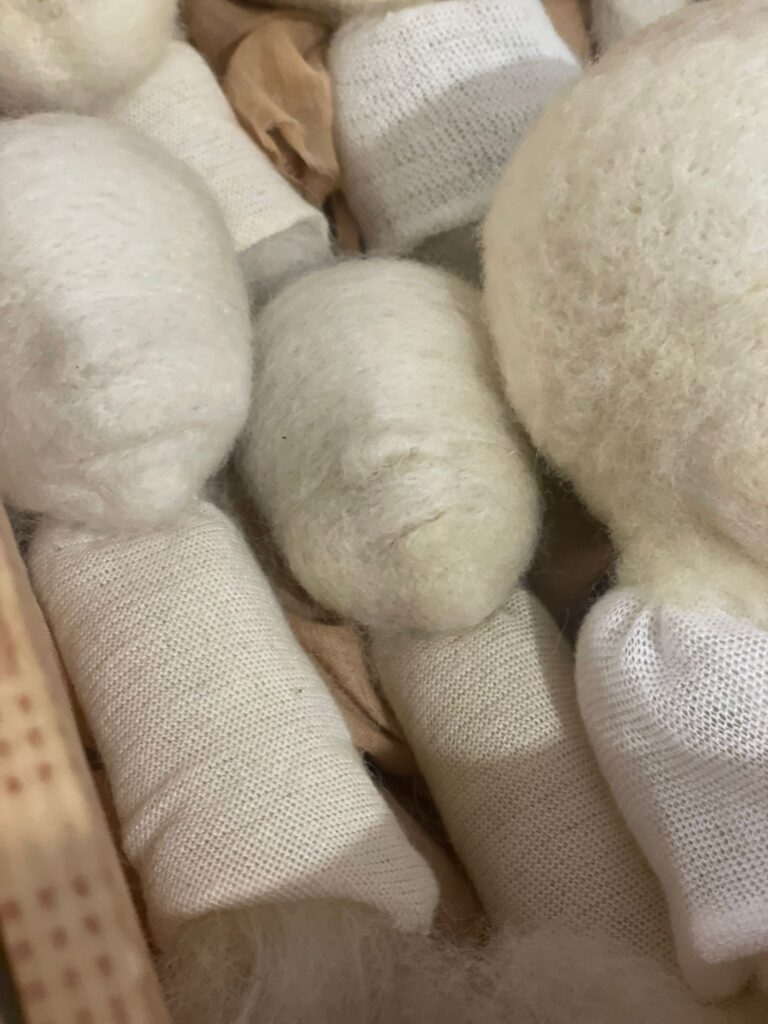
These fragile figures are not only dolls. They are the quiet symbols of babies who never opened their eyes — in Palestine, or in any other corner of the world where power speaks louder than mercy. They stand for the unborn, and for those who were born but not allowed to grow. Sightless, they carry a truth too heavy for eyes: the unbearable absence left behind when innocence is interrupted.” Sevtap